OneForAll: The App I Made to Market My Own Apps
- Case Studies
- 5 min read
I can build apps, but getting people to find them kept slipping. So I built OneForAll, one app that plans my posts, finds clients and gives me a few SEO tasks every day. Here is why and how I built it alone.

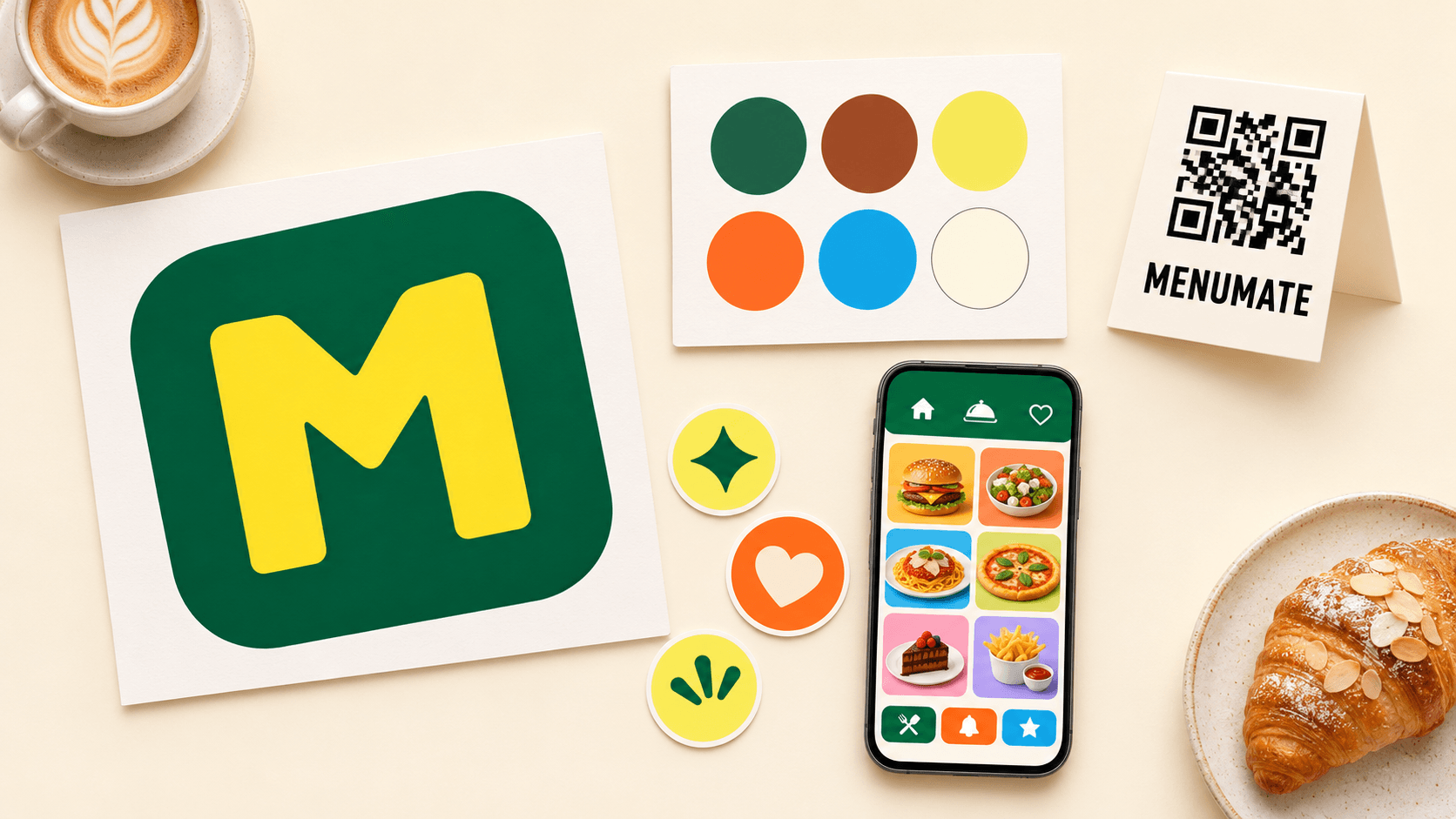
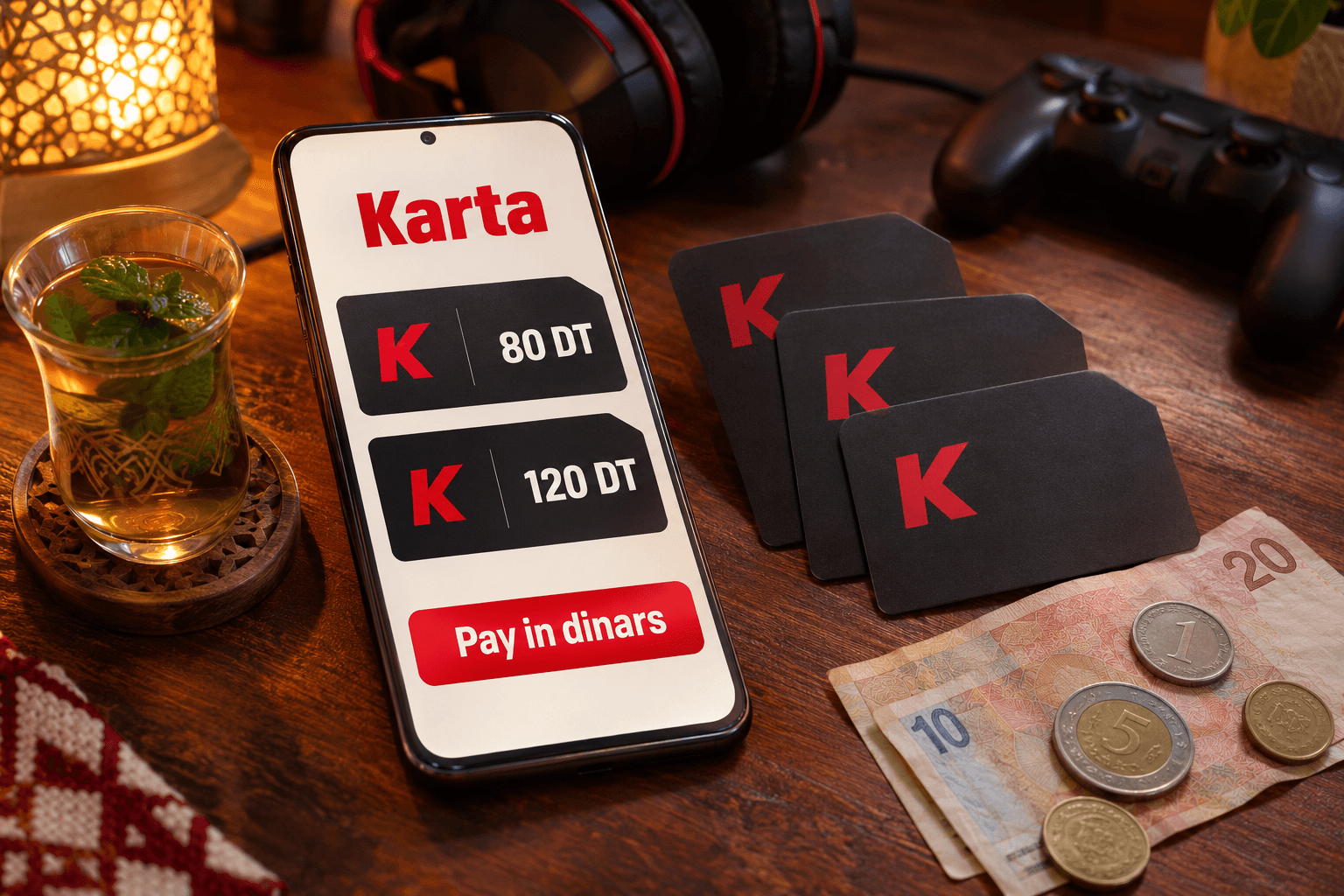
I have a few products of my own: MenuMate, a QR menu app for restaurants, ABSoft, my small web agency, and Karta, a shop for gift cards paid in Tunisian dinars. Building them was the easy part. The hard part was the week after launch, and every week after that: getting people to actually find them.
I knew what to do. Post on each brand's pages. Write to restaurants that still use paper menus. Fix the titles on my sites. Write the article that targets the search people really type. But each of these lived in a different tool, none of them told me where to start, and on most days none of it happened.
So I built OneForAll: one app that does my marketing work with me. You can read the technical side in the OneForAll case study. This post is about why I built it and what it does for my other apps every day.
The Problem: Marketing Is Many Small Jobs
When you are one developer with several products, marketing doesn't fail because it is hard. It fails because it is a hundred small jobs with no order.
- Posts stayed in folders. I wrote posts for MenuMate and ABSoft on my laptop. Nothing published them, so many never went out.
- Outreach had no memory. Who did I write to? Who replied? Which café has no website? It was spread across notes, WhatsApp and a spreadsheet.
- SEO had no first step. Every guide is a list of fifty things. On a busy day, the answer is zero.
- AI tools made things up. A message that praises a restaurant for an award it never won is worse than no message.
What OneForAll Does for My Apps
Posts for Every Brand
Each product is a brand in OneForAll, with its own voice, links and a list of things it must never claim. I write a post once, send it to the brand's Facebook, Instagram and LinkedIn, and a background worker publishes it on time. Before it can be scheduled, the app checks the length for each platform, the hashtags, the links and the banned claims.
Clients for MenuMate and ABSoft
I pick a brand, an offer, a business type and an area on a map. OneForAll searches Google Maps and OpenStreetMap, then checks each business's website for real signals: no site, a "site" that is only a Facebook page, a site that is slow on a phone, a menu that is only a PDF.
One thing my earlier lead searches taught me: in Tunisia only about 1 in 25 businesses on Google Maps had an email address, against 15 in 25 in Paris. So phone, WhatsApp and Facebook come first in OneForAll, not email.
AI drafts the first message from my offer and from facts found on the business's own site. I read every message before it goes.
A Few SEO Tasks Every Day
This is the part I use most. Every 12 hours, a module I called Growth gives each brand I turned it on for a few tasks, from 1 to 5, each with the reason it was picked and a ready draft:
- Fix: problems found on the brand's own site, like a missing sitemap, a page with no title or two pages with the same title.
- Article: a phrase I want the brand to be found for that no page on the site targets yet, with an outline first.
- Reply: a fresh Hacker News thread where the product really answers the question, with a short draft I rewrite in my own words before posting.
When there is nothing good to suggest, it shows fewer tasks, never filler. And it never posts anything itself.
One Screen Each Morning
All of it lands on one Today screen: posts to approve, follow-ups due, SEO tasks and replies from leads, each with a one-click action. I don't decide where to start anymore. I open it and do the next thing.
The Engineering Behind It
A few choices made the biggest difference.
- AI that can't make things up. When AI finds a fact on a business's website, it must return the exact sentence it came from, and plain code checks that the sentence is really on the page. If it isn't, the fact is dropped. Don't ask AI to be honest; make honesty something code can check.
- Publishing that never posts twice. The worker saves a "started" row and every ID the platform sends back before moving on. It never retries the final publish call after a timeout. It marks the post "unknown" and asks me to check, instead of risking a double post.
- Each brand is its own space. Each brand's data has a brand id, and every query goes through one helper that requires it, so one brand never sees another's data.
- One copy of every rule. Business rules are plain TypeScript with no framework imports, shared by the web app, the background worker and an MCP server that lets AI assistants like Claude Code work with the same data and the same checks.
The stack is Next.js and React with TypeScript, PostgreSQL with Drizzle, pg-boss for background jobs, Better Auth, and the Vercel AI SDK so it works with both Anthropic and OpenAI models. It runs on one small server with Docker Compose.
What I Learned
- Marketing needs a first step, not a plan. A list of three tasks I can do today beats a strategy document I never open.
- Write the rules before the code. "Nothing goes out without my OK" and "no made-up facts" decided a lot of design questions before they came up.
- Delete what you don't use. I removed every feature I had built but never used, with its screens and tables. The app got smaller and faster.
- Build it for yourself first. I use OneForAll every day for MenuMate, ABSoft and Karta, so every rough edge I hit gets fixed.
Try It
OneForAll is free at oneforall.alabaganne.com. If you have an app or a small business and marketing is the part you keep putting off, add your brand and turn on Growth. I'd love to hear what you'd want it to do next.
- #founder story
- #marketing
- #SEO
- #Next.js
- #AI