What I Learned Making and Selling MenuMate Alone
- Case Studies
- 5 min read
Why I built MenuMate, a QR code menu and table ordering app for restaurants, why it is free today, and what I learned building and selling it alone.
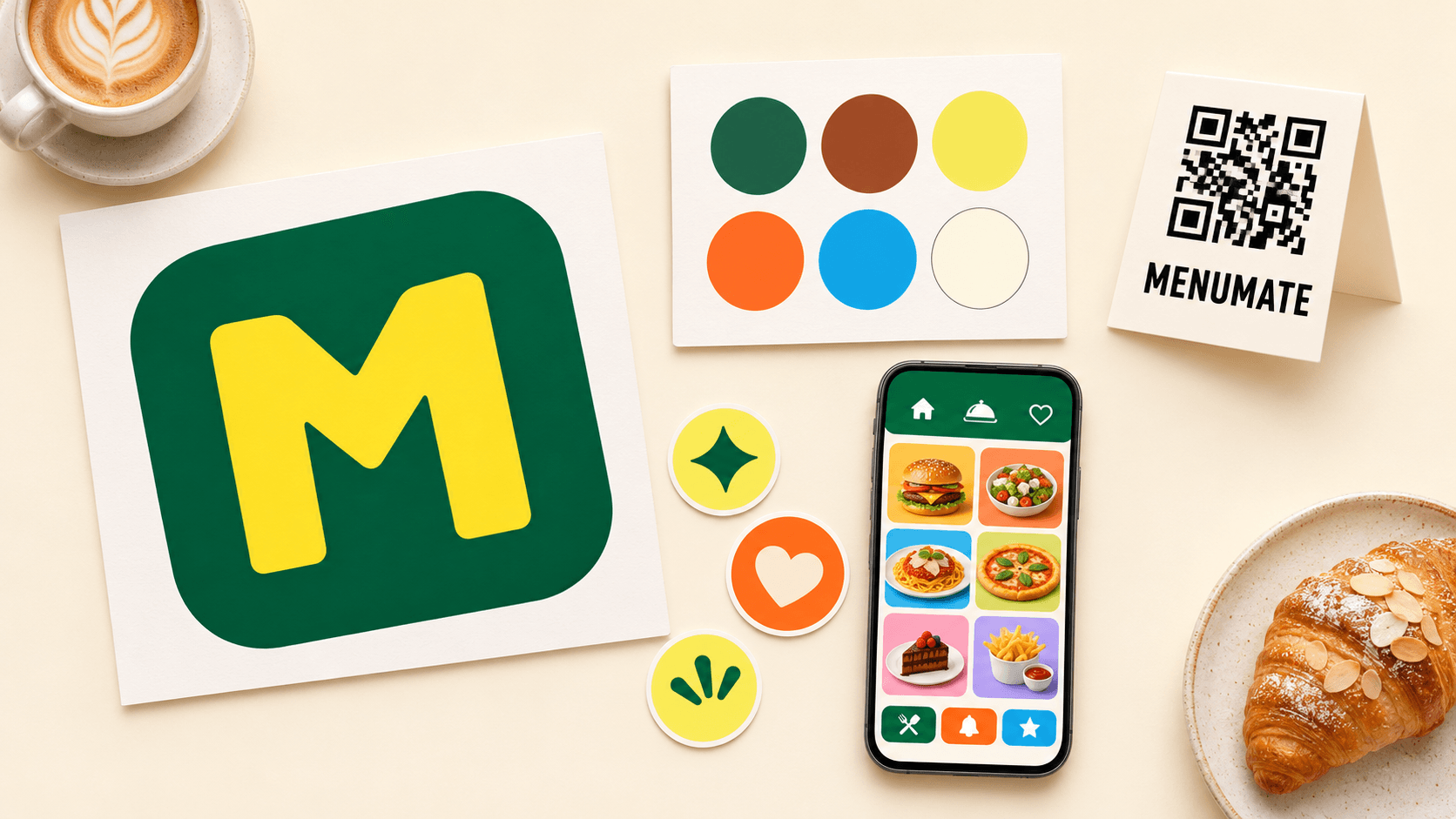
Sit down in a café, the menu is a laminated sheet with half the prices crossed out by hand, and the waiter is busy at another table... That small moment is why I built MenuMate, an app where a restaurant builds its menu, puts a QR code on each table and gets guests' orders on a live dashboard.
Today MenuMate has 78 signed-up users. I share the technical side in the MenuMate case study. This post is about why it exists, why it's free today and what I learned building and selling it alone.
What MenuMate Does
For Guests
A guest scans the QR code on the table and the menu opens on their phone. No app to install, no account. They can filter dishes, see what's sold out and send an order straight from the table. The order shows up in the kitchen in real time, and the guest pays the restaurant the way they already do. MenuMate never touches the money.
For Owners
- Edit the menu in seconds: change a price, add a photo or mark a dish sold out, and it's live right away. Nothing to reprint.
- Pick a look: five menu themes, from a soft pastel one to a dark one.
- QR codes per table: plus printable PDF menus and QR sheets for restaurants that still want paper.
- Live orders: a kitchen dashboard, with staff accounts so the whole team can use it.
- Table booking: guests ask for a table, staff accept or decline, and the guest gets an email. No fee per guest, unlike the big booking sites.
- Nine languages: including Arabic read right to left, with every country and currency.
A new restaurant goes through a short guided setup: the basics, the look, the menu, the tables, then a test order. The goal is a working menu in one sitting.
Why It's Free Today
MenuMate started with paid plans and Stripe. Then I hit the wall every Tunisian founder knows: Stripe doesn't work for sellers in Tunisia, and local payment gateways can't charge a card every month.
I could have kept the pricing page and chased owners for payments by hand. Instead, in September 2026, I took the billing out and opened MenuMate to restaurants for free.
An owner tries a free tool much faster than a paid one. Right now, I'd rather have restaurants using MenuMate than a pricing page nobody clicks.
Building It Alone
I designed and built every part myself: the database and its access rules, the guest menus and their themes, the owner dashboard, the emails, the printable sheets, even the tutorial videos.
- June 2025: first commit, under the name "Restaurant POS".
- July 2025: renamed to MenuMate and live on the web.
- August to September 2025: the busiest stretch, with live orders, PDF menus and staff accounts.
- September 2026: a big restart, with a full redesign and free access for every restaurant.
- Today: more than 400 commits, built next to my contract work.
The stack is Next.js, TypeScript and Supabase (Postgres, sign-in, realtime and file storage), hosted on Vercel.
Three Things I Got Wrong First
Empty Tickets in the Kitchen
Orders were saved in two steps: the order, then its dishes. The dashboard is live, so it could show the kitchen an order before its dishes arrived.
I moved it into one database transaction. The guest's phone also picks the order id, so if a request is retried, the kitchen never gets a duplicate.
The Dinar Has Three Decimals
Most code assumes two decimals. Prices are now stored and shown with each currency's own decimals, so 12.500 DT stays 12.500 DT.
Restaurants Must Never See Each Other's Data
A security check found several holes in the access rules, like data that anyone with the public key could read. I fixed them all, then wrote a test script that tries to read and change another restaurant's data. It must fail every time.
The Redesign
In September 2026 I redid the whole look across the landing page, sign-in, dashboard and public menus: forest green, rust and lemon, bold uppercase titles and playful stickers.
Restaurant software is usually grey and serious. I wanted MenuMate to feel like a café, not like an accounting tool.
Selling It Is the Hard Part
Building was the easy half. Getting restaurants to try it is the real work.
My first cold emails to restaurants in Tunisia, France, the UK and the US were long, with a link to try the app and an offer to book a call. 36 emails, 0 replies.
So I changed the ask to one line:
Reply with a photo of your menu and I'll set it up for you.
The email got short, with no links in the body. The first campaign with it, in Lyon, got two replies within hours. Lesson learned: don't ask a busy owner to do work, offer to do it for them.
A few other things I learned:
- France gave me far more emails than Tunisia: only about 1 in 25 Tunisian restaurants I found had an email address, against 15 in 25 in Paris.
- Search takes time: Google had indexed 24 of 508 pages when I last checked, and almost all clicks come from people typing "menumate". Getting other sites to link to MenuMate helps more than writing more posts.
What Comes Next
MenuMate is free today, and I'll decide later which parts become paid. Next I want more restaurants using MenuMate every day and more sites linking to it.
If you run a restaurant or know someone who does, you can create your menu or open a demo menu on your phone. And by the way, if you send me a photo of your menu, I'll still set it up for you.
- #founder story
- #digital menu
- #restaurant tech
- #Tunisia